
An Ancient Indian Secret That Modern Life Has Forgotten
Story Time: A Grandfather’s Simple Wisdom
Some years ago, tucked away in a quiet village of Maharashtra, there lived an elderly Ayurvedic practitioner, fondly known as Ajoba. No gym memberships, no calorie-counting apps, and yet—at the age of 82—Ajoba still pedalled his cycle to the temple at dawn, his eyes sparkling with life, skin radiant like a morning glow.
One misty evening, as the scent of wet earth lingered in the air after a light drizzle, I found myself sitting beside him with a cup of warm jeera-pani. I asked the question that had always been on my mind:
Ajoba, what’s your secret?
He smiled, a calm knowing smile, and replied,
“Beta, learn to eat—not just food, but also the right way. There are four types of food in Ayurveda. Understand them, and most problems in life will vanish quietly, just like the wind.”
That conversation stayed with me. And today, I’m here to share what Ajoba taught me—not just as an old tale but as a solution for our chaotic modern lifestyles.
Why This Ancient Knowledge Matters in Today’s World
Let’s be honest—our food habits today are, frankly, a mess. We rush through meals, eat standing, binge while scrolling Instagram reels, skip breakfast and then snack all day.
But Ayurveda doesn’t label food simply as good or bad. It speaks to the experience of eating. It categorises food by how it should be consumed—not just what it contains—and how it affects our body, mind, and soul.
Let’s explore the 4 types of food in Ayurveda, with easy-to-remember tips and relatable examples.
 1. Bhojya – The Chewable Foods
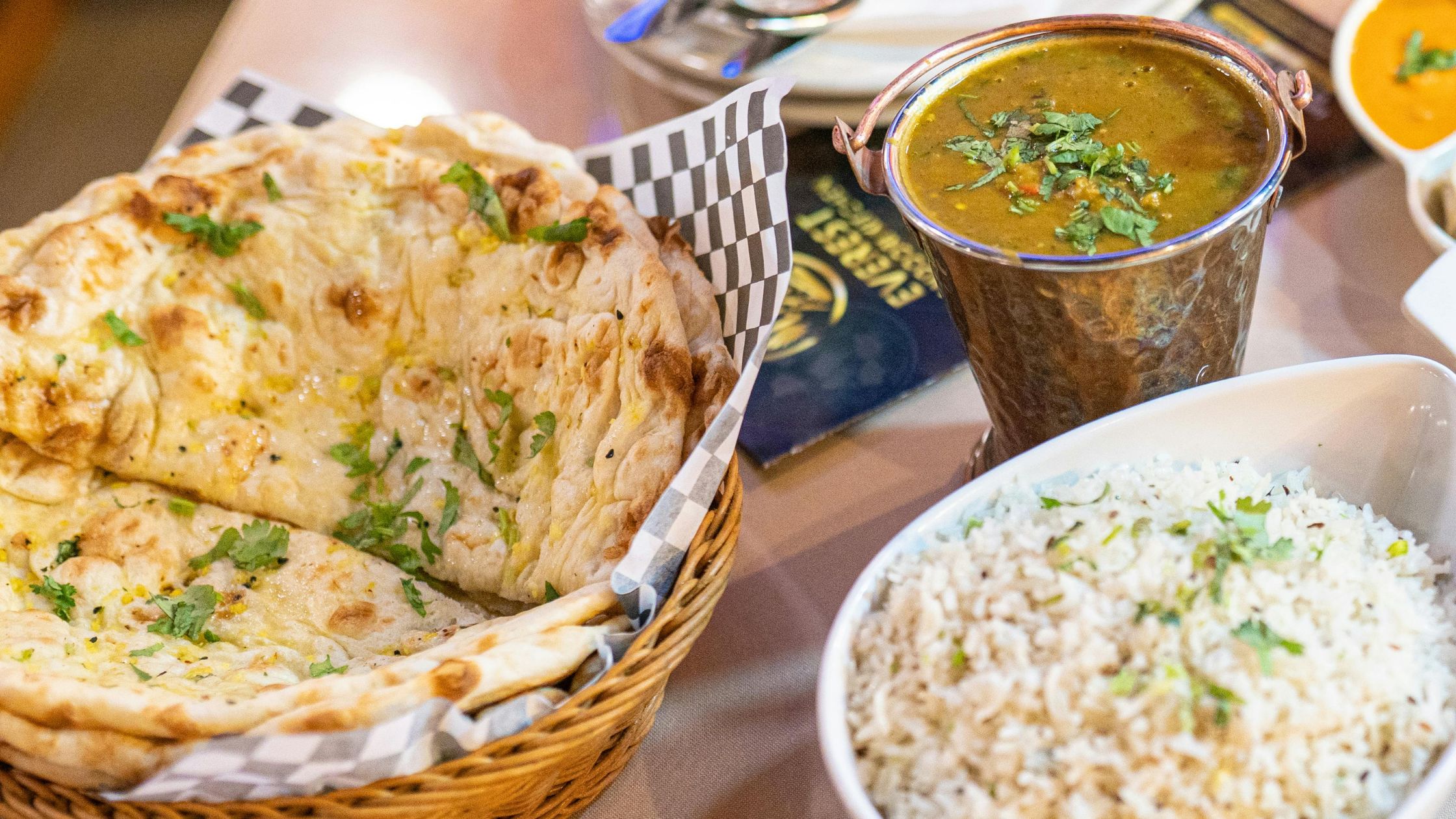
What it means: Foods that need to be chewed thoroughly.
Examples: Roti, sabzi, rice, lentils, vegetables, fruits, nuts, seeds, and grains.
Purpose:
-
- Provides bulk and strength
-
- Satisfies deep hunger
-
- Grounds the restless vata dosha
Ajoba’s Tip:
“Chew every bite like you’re talking to it. Your stomach doesn’t have teeth.”
Modern Insight:
Take at least 20 minutes to eat your meal. Put your phone away. Focus on the texture, the warmth, the taste.
Why it matters:
Chewing activates enzymes in your saliva that start digestion even before food reaches your stomach. Skipping this step causes bloating and tiredness.
 2. Peya – The Drinkable Foods
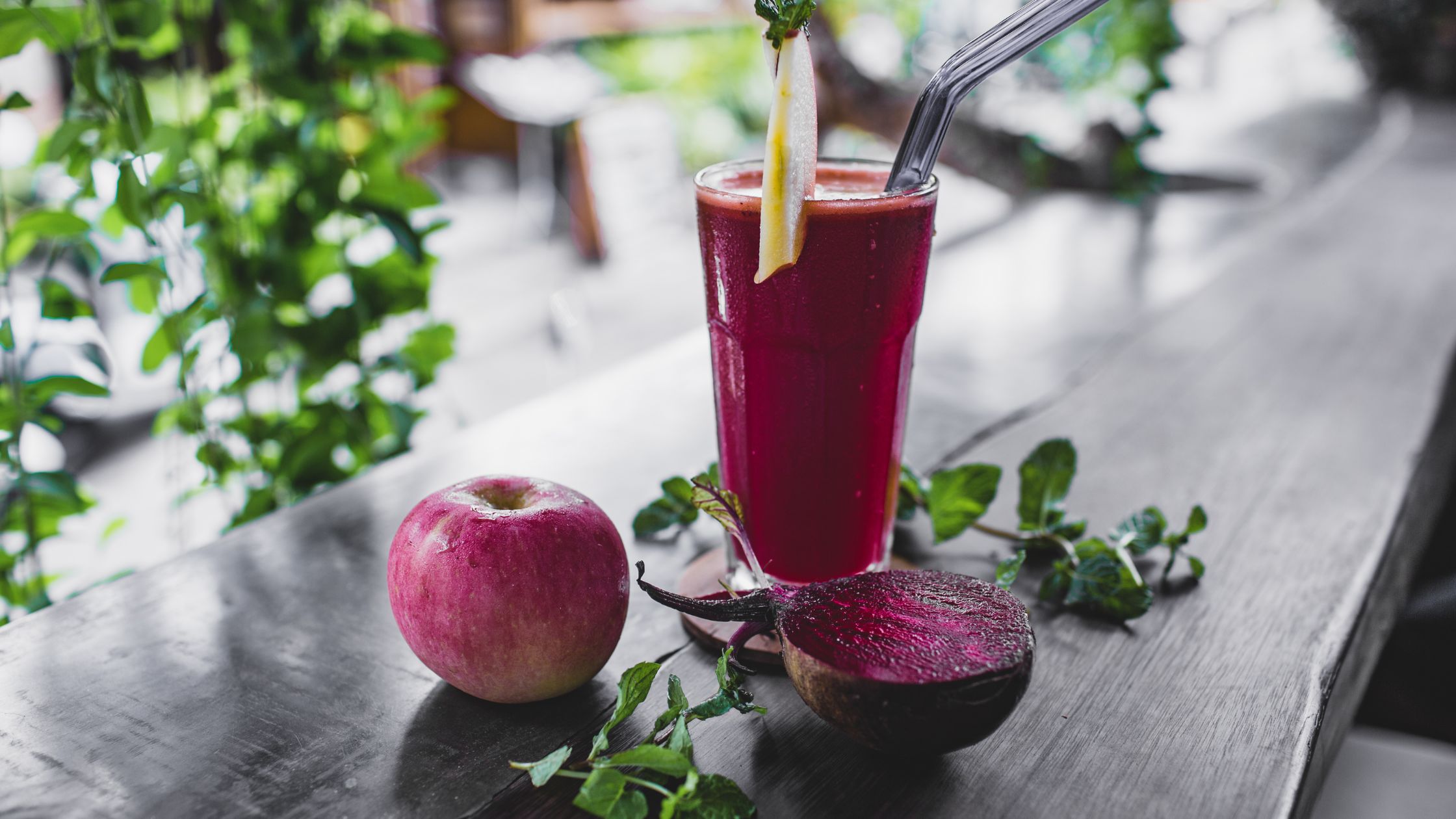
What it means: Liquid or semi-liquid foods
Examples: Buttermilk, herbal teas, soups, kadha, kanji, thin dal, coconut water
Purpose:
-
- Hydrates and cools the system
-
- Aids nutrient absorption
-
- Soothes the gut
Ajoba used to say:
“When your stomach feels heavy, give it something to sip, not chew.”
Modern Tip:
Avoid iced drinks with meals. Instead, try lukewarm jeera or saunf water post-lunch.
When it helps most:
-
- During summer heat
-
- Post illness
-
- After heavy meals
Cultural reference:
South Indian rasam is a beautiful example of Peya—light, spiced, and balancing.
 3. Lehya – The Lickable Foods

What it means: Dense, thick substances that should be licked slowly
Examples: Chyawanprash, honey, herbal pastes, chutneys, gulkand
Purpose:
-
- Enhances immunity (ojas)
-
- Stimulates digestive enzymes
-
- Activates taste buds and salivation
Ajoba’s Words:
“Lehya is like affection—it should be taken slowly and mindfully.”
Modern Tip:
Start your winter mornings with a spoon of chyawanprash. It warms your system, builds resistance, and tastes nostalgic.
Bonus:
Many classical Ayurvedic medicines are Lehya-based because licking enhances absorption and connects directly to your taste-processing brain centres.
 4. Choshya – The Suckable Foods
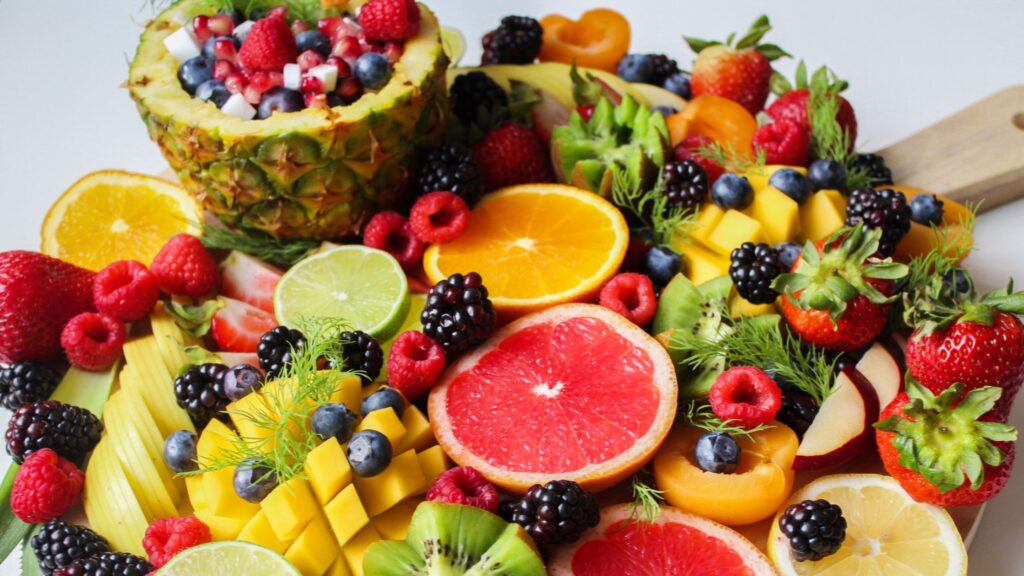
What it means: Foods to be slowly sucked, not chewed or swallowed quickly
Examples: Mango slices, sugarcane pieces, oranges, tender coconut pulp, herbal lozenges
Purpose:
-
- Stimulates saliva production
-
- Eases digestion
-
- Quickly energises and refreshes the senses
Ajoba once showed me:
A child sucking the seed of a mango, sticky and joyful—“That’s Choshya. Simple and sweet.”
Modern Application:
Instead of a candy, suck on mulethi (licorice root) for a sore throat—it soothes without sugar overload.
A Simple Trick to Remember the 4 Types
 Mnemonic: “Be Patient, Life Comes Slowly”
-
- Bhojya – Chew it
-
- Peya – Drink it
-
- Lehya – Lick it
-
- Choshya – Suck it
Let this mantra guide your plate every day.
Why This Framework Works Better Than Modern Diet Trends
Most modern diet plans talk about proteins, carbs, or calories—but they forget the experience of eating.
Ayurveda focuses on:
-
- How food is consumed
-
- When it’s consumed
-
- What effect it has on your dosha balance (vata, pitta, kapha)
Benefits you’ll notice:
-
- Less bloating and acidity
-
- Steadier energy levels
-
- Reduced cravings
-
- Calmer mind
Real-Life Solutions for Real Problems
 Tired after meals?
You’re probably eating too much Bhojya without balancing it with Peya.
 Try: Starting with warm soup or buttermilk
 Falling sick often?
You’re missing Lehya—foods that build immunity.
Try: Amla murabba or chyawanprash each morning
 Gassy and bloated?
You’re rushing meals or mixing cold drinks with food.
Try: Eating slower, and sipping warm water during meals
The Science Matches the Tradition
Modern research now validates Ayurvedic wisdom. When you chew or suck your food slowly:
-
- Digestion begins in the mouth
-
- Brain releases digestive enzymes
-
- Absorption improves in the gut
Your ancestors knew it instinctively. Now, science is catching up.
How You Can Start Today (No Himalayas Needed)
You don’t need to give up your lifestyle. Just add three small changes:
 1. Eat on schedule
Stick to consistent meal timings.
 2. Eat without distractions
No mobile. No laptop. Just your meal and your breath.
 ️ 3. Include all four types daily
Make your plate a balanced Ayurvedic thali:
-
- Bhojya: Roti, sabzi
-
- Peya: Buttermilk or rasam
-
- Lehya: Chutney or chyawanprash
-
- Choshya: Orange or mango (seasonal)
In Conclusion: Let Food Be Your Everyday Medicine
Ajoba once told me,
“Beta, don’t eat like a robot. Eat like someone who’s grateful to be alive.”
These four types of food are more than just categories—they’re a philosophy, a practice, a return to mindfulness.
So before your next bite, ask yourself:
-
- Am I rushing?
-
- Am I chewing properly?
-
- Am I including all four types?
Make that small shift. Your body—and your heart—will feel the difference.
FAQs: Ayurvedic Food Types Simplified
Q1: What if I eat non-veg or eat out regularly?
No problem. Just balance your Bhojya with some warm Peya (soup) and include Lehya or Choshya where you can.
Q2: Are these four types for all body types?
Yes. Just adjust based on your dominant dosha. For example, vata types benefit from warm and oily Bhojya, while pitta types thrive on cool Peya.
Q3: Can children and elders follow this?
Absolutely. In fact, they’ll benefit the most as their digestion is more sensitive.
What’s Next?
If you enjoyed this post and want to go one step further towards a healthier you, don’t miss our next blog:
 3 Ayurvedic Weight Loss Secrets That Actually Work
Simple, sustainable, and based on real Indian lifestyles.